The Silent Architecture of Kyoto's Traditional Ryokans
An exploration into Japanese spatial aesthetics, omotenashi hospitality, and living architectural heritage.
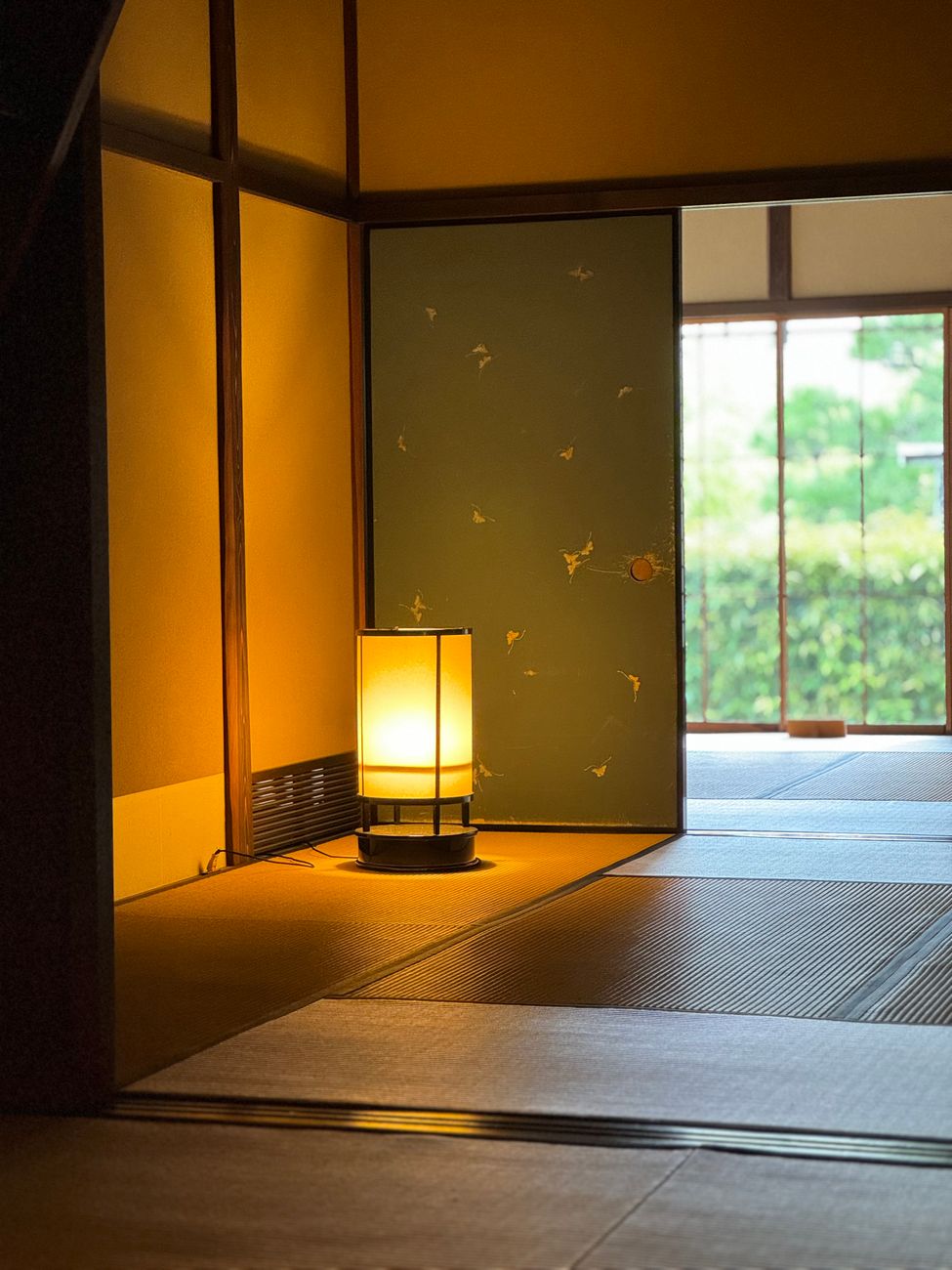
Table of Contents
1. The Concept of Ma and Spatial Harmony
In the heart of Kyoto's historic Higashiyama district, the hustle of the modern city fades behind dark cedar gates. Inside a classic ryokan, luxury is measured not by gilded fixtures, but by the intentional presence of space — known in Japanese aesthetic philosophy as ma.
Every screen sliding shut, every woven tatami mat underfoot, and the subtle scent of aged cypress wood contribute to an environment designed to reset the human nervous system. Here, minimalist interiors act as a canvas for the changing shadows of the courtyard garden.
"Real luxury in Japanese hospitality lies in what is excluded, leaving room for stillness and quiet reflection."
2. Cedar, Tatami, and Natural Textures
Constructed using ancient joinery techniques without steel nails, Kyoto's finest establishments preserve techniques dating back to the Edo period. Soft sliding shoji screens filter daylight into a serene glow, encouraging guests to slow their movements and observe the subtle details of craftsmanship.
Subtle elements like hand-forged iron kettles, tokonoma alcoves with seasonal floral arrangements, and deep wooden soaking tubs (hinoki furo) make staying in a ryokan an immersive sensory ritual.
3. Kaiseki as Seasonal Meditation
The culinary journey within a premier ryokan reflects the exact day of the year. Multi-course kaiseki dinners honor micro-seasons through local root vegetables, wild mountain herbs, and fresh river trout, served on historic ceramic dishware crafted by regional artisans.